
How to Recognize Phone Scams: Advice from a Contact Center
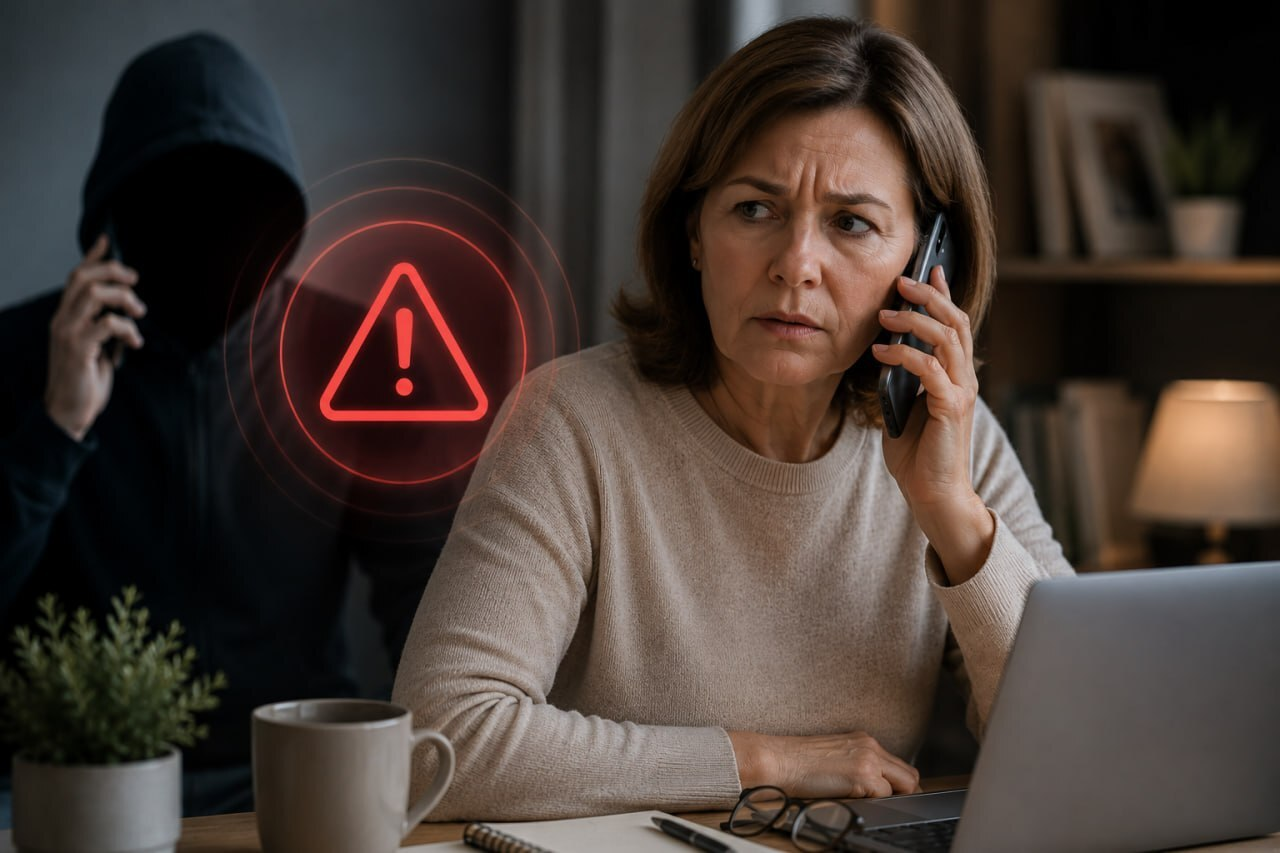
Phone scams have become increasingly common in Moldova in recent years. Fraudsters often pretend to be representatives of banks, mobile operators, government agencies, delivery services, or other well-known organizations. Their goal is to obtain personal information, SMS verification codes, passwords, or convince people to transfer money. Law enforcement authorities regularly warn citizens about new fraud schemes, while telecommunications providers continue to introduce additional security measures.
Unfortunately, these scams also affect legitimate businesses. More and more people have become suspicious of genuine calls from customer support teams and contact centers, making communication between companies and their customers increasingly difficult.
Unfortunately, these scams also affect legitimate businesses. More and more people have become suspicious of genuine calls from customer support teams and contact centers, making communication between companies and their customers increasingly difficult.
08.09.2026
Автор:
Echipa Viatel
How Phone Scammers Typically Operate
Most scam calls follow a very similar pattern. The first step is creating a sense of urgency:
Once they create panic, they pressure the person into taking immediate action during the call—something a professional contact center would never normally ask you to do.
What a Legitimate Company Will Never Ask You For. If you are speaking with a genuine company representative, they will not ask you to:
❌ share an SMS verification code;
❌ disclose your bank card PIN;
❌ reveal your online banking password;
❌ provide your card's CVV/CVC security code;
❌ install remote access software on your device;
❌ transfer money "for verification" or "for security purposes";
❌ dictate a one-time authentication code.
If you receive any of these requests, the safest option is to end the call immediately. Cybersecurity experts and public authorities consistently advise people never to disclose passwords, verification codes, or other confidential information over the phone.
- "Your bank account is about to be blocked."
- "Someone is trying to apply for a loan in your name."
- "Your delivery must be confirmed immediately."
- "Your SIM card will be deactivated within minutes."
Once they create panic, they pressure the person into taking immediate action during the call—something a professional contact center would never normally ask you to do.
What a Legitimate Company Will Never Ask You For. If you are speaking with a genuine company representative, they will not ask you to:
❌ share an SMS verification code;
❌ disclose your bank card PIN;
❌ reveal your online banking password;
❌ provide your card's CVV/CVC security code;
❌ install remote access software on your device;
❌ transfer money "for verification" or "for security purposes";
❌ dictate a one-time authentication code.
If you receive any of these requests, the safest option is to end the call immediately. Cybersecurity experts and public authorities consistently advise people never to disclose passwords, verification codes, or other confidential information over the phone.
How to Tell if the Call Is Genuine
In most cases, a legitimate company representative already has some of your information and uses it only to verify your identity or confirm your request. For example, they may already know:
At the same time, they should never ask for confidential information that could provide access to your bank accounts or personal online accounts. If you are unsure whether the call is legitimate, don't hesitate to ask questions such as:
A legitimate representative will understand your desire to verify the information. If they encourage you to call the company's official phone number or do not object to you doing so, this is generally a good sign. Scammers, on the other hand, usually try to keep you on the line and prevent you from verifying anything independently.
- your name;
- your customer or contract number;
- the last digits of your contract;
- your service address;
- details about a recent inquiry or support request.
At the same time, they should never ask for confidential information that could provide access to your bank accounts or personal online accounts. If you are unsure whether the call is legitimate, don't hesitate to ask questions such as:
- What is the purpose of your call?
- When was my request registered?
- Which department are you calling from?
- How can I contact your company through its official channels?
A legitimate representative will understand your desire to verify the information. If they encourage you to call the company's official phone number or do not object to you doing so, this is generally a good sign. Scammers, on the other hand, usually try to keep you on the line and prevent you from verifying anything independently.
Additional Warning Signs
Be cautious if, during the conversation, the caller:
If You Have Any Doubts. The safest course of action is simple:
✔️ End the call.
✔️ Contact the company yourself using its official phone number.
✔️ Verify the information through the company's official website or mobile application.
✔️ Never make important decisions under pressure.
This is the approach consistently recommended by law enforcement authorities and cybersecurity professionals.
- pressures you to make an immediate decision;
- uses fear or psychological pressure;
- threatens account suspension, financial penalties, or financial loss;
- tells you not to discuss the call with anyone;
- sends links via SMS or messaging apps and insists that you open them immediately;
- refuses to let you end the call and contact the company yourself.
If You Have Any Doubts. The safest course of action is simple:
✔️ End the call.
✔️ Contact the company yourself using its official phone number.
✔️ Verify the information through the company's official website or mobile application.
✔️ Never make important decisions under pressure.
This is the approach consistently recommended by law enforcement authorities and cybersecurity professionals.
A Message from the Viatel Team
Every day, our contact center specialists communicate with thousands of customers on behalf of our business partners. We understand that the growing number of phone scams has reduced people's trust in phone calls—even legitimate ones.
That is why we would like to remind everyone of one simple rule: if you have any doubts about the authenticity of a call, do not hesitate to end the conversation and contact the company using its official contact details. Whenever possible, you should also verify the phone number that called you.
For responsible businesses, customer security is always more important than completing a single phone conversation.
The telephone remains one of the fastest and most effective ways for businesses and customers to communicate. When both companies and customers follow basic security practices, phone communication remains a trusted channel, while fraudsters find it much more difficult to succeed.
That is why we would like to remind everyone of one simple rule: if you have any doubts about the authenticity of a call, do not hesitate to end the conversation and contact the company using its official contact details. Whenever possible, you should also verify the phone number that called you.
For responsible businesses, customer security is always more important than completing a single phone conversation.
The telephone remains one of the fastest and most effective ways for businesses and customers to communicate. When both companies and customers follow basic security practices, phone communication remains a trusted channel, while fraudsters find it much more difficult to succeed.